

How a childhood crime movie inspired Driver's notoriously difficult car park tutorial | PC Gamer - willardwhavence
How a puerility law-breaking movie inspired Driver's notoriously intractable car park tutorial
Positive Inlfuence
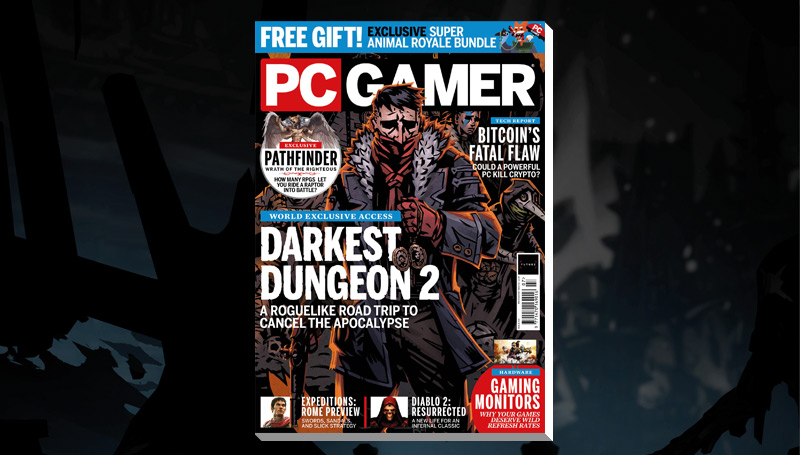
This clause first appeared in PC Gamer magazine issue 358 in July 2021, as part of our 'Positive Act upon' series, where every month we chat to a antithetical developer about the inspirations and unexpected connections behind their work.
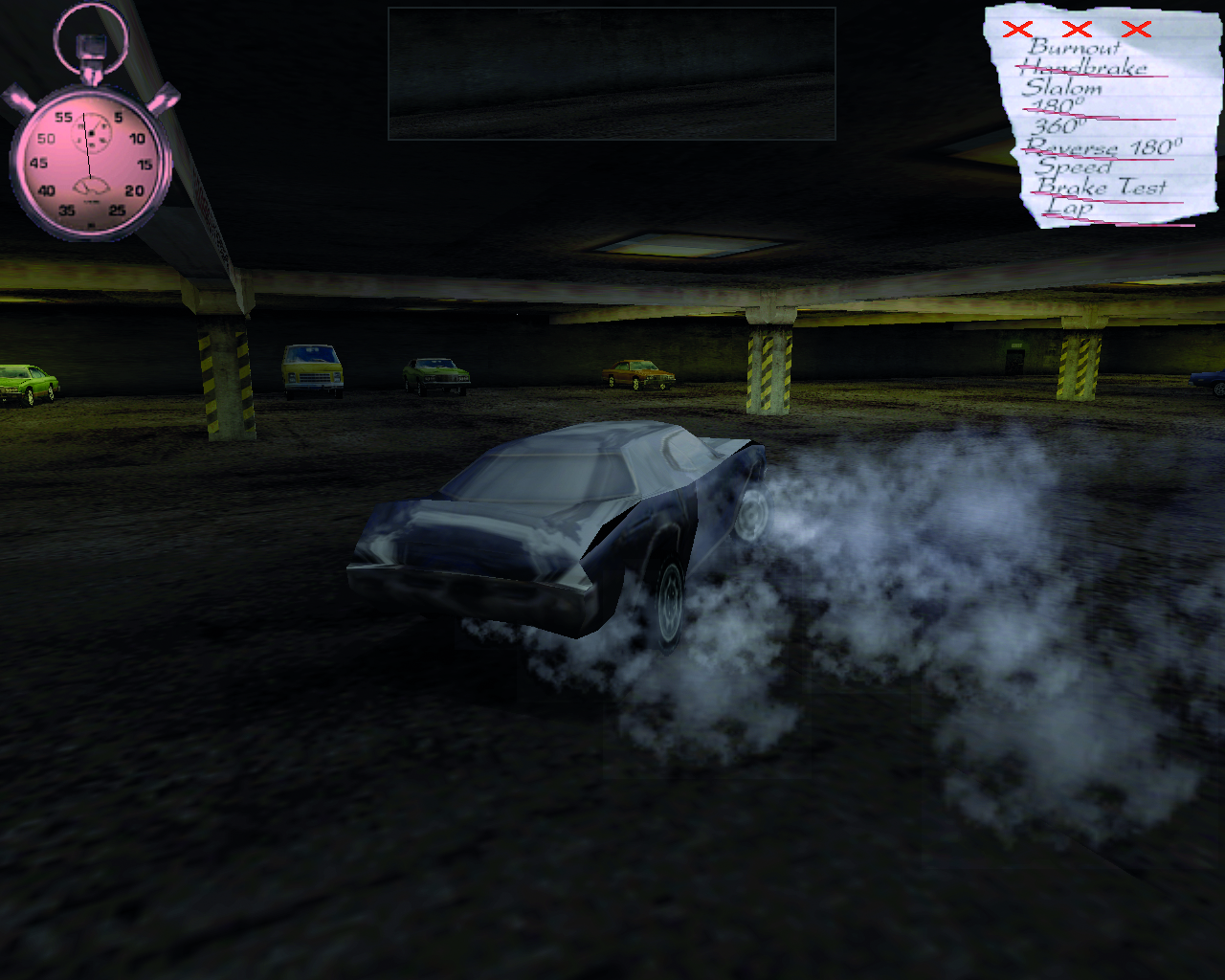
If you're still seething over Device driver's disreputable car park dismantle, you might well blame serial creator Martin Edmondson. But the real perpetrator is the film that planted the idea in his forefront some two decades in the beginning. The Device driver (1978) was a crime chase thriller in which a wheelman established himself by flinging an orange Mercedes 'tween the pillars of an metro garage. It's all there: the handbrake turns, the focal ratio trial run, the reverse 180—even the slalom that would-follow drivers found and so tricky to master.
"Information technology was in reality the first film I ever went to the cinema to see," Edmondson explains. "My dad had to go first just to condition IT wasn't too tearing."
The level's difficulty, even so, is all thanks to Edmondson. "I could do that garage in just under 25 seconds," he says. "And so to me, giving you 60 seconds was wad of time. Well, it wasn't. If I went back and played it at once I probably couldn't brawl it."
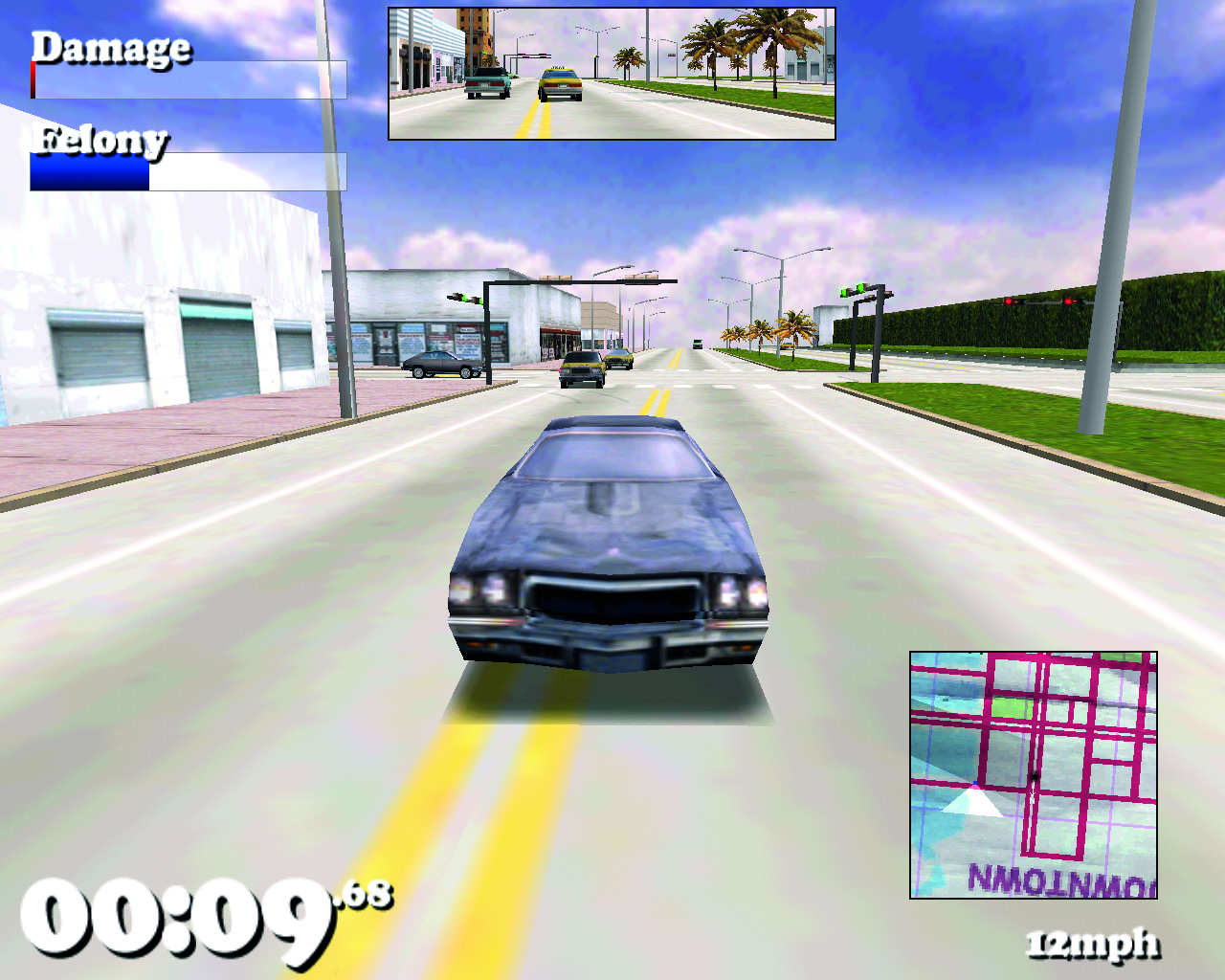
Those who did superintend to get olden the garage opener were treated to more '70s car-noir. Like The Driver's protagonist, your actor character seldom wheel spoke, and only ever saw the four walls of his motel room after hours. Tanner lived the empty life of the condemnable professional, as exemplified by Henry Martyn Robert De Niro in Heat (it's atomic number 102 coincidence that Michael Mann initially offered Heat's script to The Driver's writer-director, Walter Hill). Driver belongs to the same lineage—or would do, if non for interference from the back's original publisher, Sony.
"You were going to be a getaway number one wood, not an undercover cop," Edmondson says. "Fortunately operating room unfortunately, they were not keen happening him existence a bad guy. They'd quite have him somebody you aspire to be."
The Driver's most important gift to Edmondson, though, was its American muscleman cars—the overpowered and understeering hunks of alloy that stuntmen sent sliding across four lanes, and which came to define Number one wood. "For the TV AD we used one of the drivers for The Dukes of Hazzard," Edmondson says. "They would lock off the diff just to pass more slippery."
This nerdy appreciation for filmcraft resulted not only in Driver's director sport, but in Stuntman (2002), which delighted in indicative the secrets of picture palace—like the logs beneath stunt cars that would fire downward at just the right moment, creating the force for a roll.
NAY-STATION
Stuntman never appeared on PC, though, and nor did Driver 2. "Back then you had to specifically program for so many contrastive graphics cards, and stable cards were an issue," Edmondson sighs. "It was always a hassle. There were decisive advantages in those days to developing a game for one platform, so that was PlayStation. But as wel, racing games were not that popular at the time connected PC."
At that place was a fractional factor, too, though Edmondson wasn't necessarily sensitive of it himself: personalized orientation. "You run to subconsciously party favor the system that you play yourself," he says. "I wasn't a massive Microcomputer gamer back then. You don't make proper business decisions supported that, only information technology is an influence."
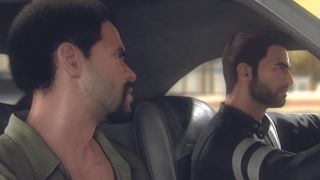
The series got the perfect kickoff on PC, however, with the excellent Driver: San Francisco, for which Edmondson worked with Ubisoft. "They were a good pair," he says. "They're non afraid of taking few risks." The game recast players as Tanner, afterward an accident that left him in a coma—floating around the titular urban center in his have head and flying freely betwixt vehicles.
"Information technology was a very eccentric concept, and thither were a lot of sarcastic comments around that until people played information technology and comprehended what it actually was," Edmondson says. "It was a punk one to sell, and you've got to admire Ubisoft for pressing along with something like that."
The publisher gave Edmondson's team up half a decade to suffer Driver: San Francisco right—and to twig spurting at 60 fps, which accounted for a year and a half in itself. Perhaps best of completely, Ubisoft's playtesting process gave Edmondson a radical linear perspective on difficulty.
"If I'd tried to do the garage test with Ubisoft, they'd wealthy person said 'No, don't exist featherbrained,'" he says. "Looking back happening it, that was a silly decision. I suppose that's an model of mellowing. As you get older, you get less hardcore."

Source: https://www.pcgamer.com/how-a-childhood-crime-movie-inspired-drivers-notoriously-difficult-car-park-tutorial/
Posted by: willardwhavence.blogspot.com
0 Response to "How a childhood crime movie inspired Driver's notoriously difficult car park tutorial | PC Gamer - willardwhavence"
Post a Comment